The Spark of Life: A Comprehensive Guide to Spark Plugs
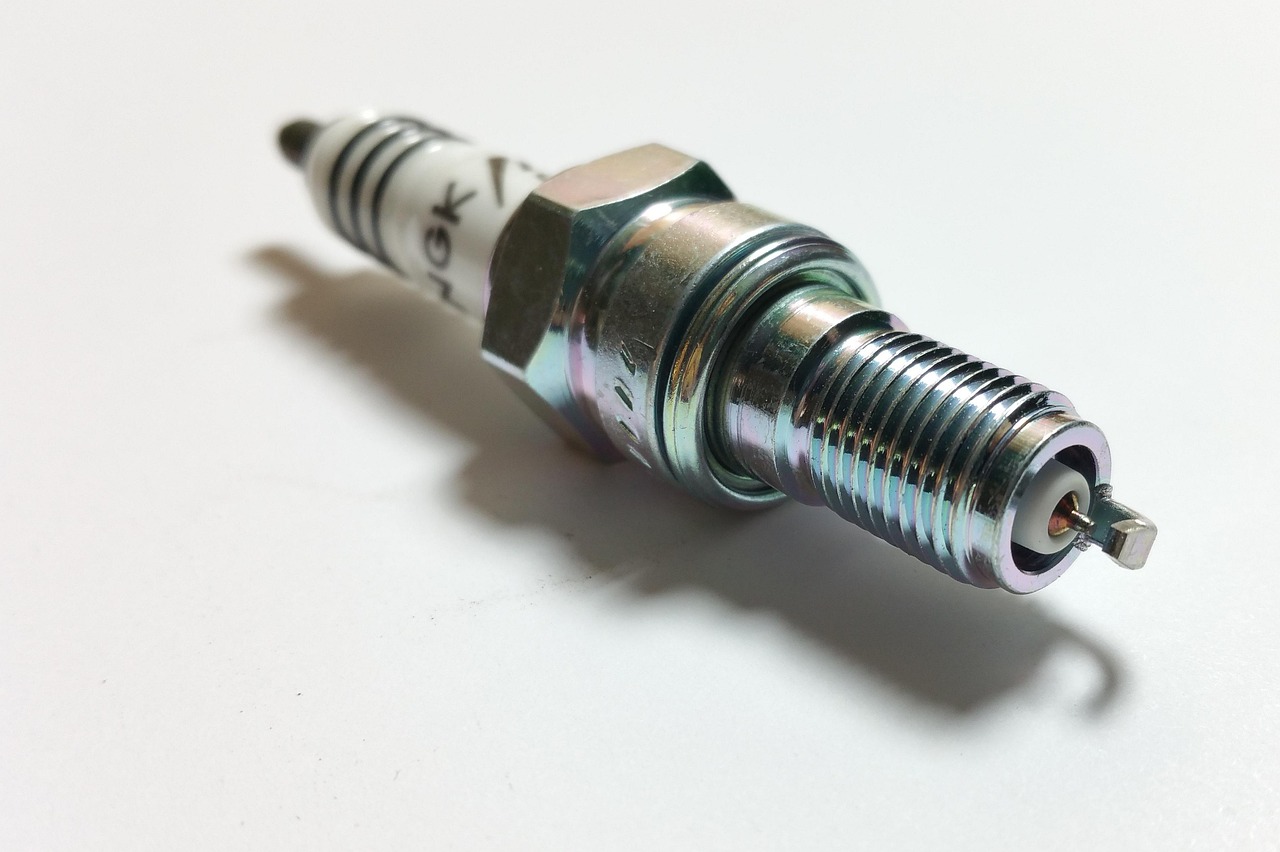
They might be small enough to fit in your pocket, but spark plugs are the literal "fire" inside your engine’s belly. Every time you drive, these tiny components fire thousands of times per minute, creating the miniature explosions that push your pistons down. If they aren’t in top shape, your car won’t be either.
The Role of the Spark Plug
A spark plug has one primary job: to deliver an electrical current from the ignition system to the combustion chamber. This creates a spark that ignites the compressed air-fuel mixture. However, they also act as a heat exchanger, pulling unwanted thermal energy away from the combustion chamber and into the engine's cooling system.
Copper, Platinum, or Iridium?
When you search for new plugs, you’ll likely see three main materials. The "best" one isn't always the most expensive; it’s the one your engine was designed for.
Copper (Standard) Plugs
Copper is an excellent conductor of electricity and runs cooler than other materials. These are often found in older vehicles or high-performance engines where frequent changes are the norm. Their downside? They have the shortest lifespan, usually needing replacement every 20,000 miles.
Platinum Plugs
Platinum is harder than copper and has a higher melting point. This allows the plug to run for much longer—often up to 60,000 miles—before the electrode wears down. They are the "set and forget" choice for many modern family cars.
Iridium Plugs
Iridium is about six times harder and eight times stronger than platinum. These plugs have extremely fine centre electrodes, which require less voltage to create a spark. This can lead to better "ignitability" and smoother idling. While they are the most expensive, they can last over 100,000 miles.
Signs Your Plugs are Failing
You don't always need a mechanic to tell you your spark plugs are tired. Your car will usually try to tell you itself:
- Rough Idling: If the car vibrates or "hunts" for RPM while stopped.
- Misfiring: A stumbling sensation or "pop" from the engine under load.
- Poor Fuel Economy: Inefficient sparks mean unburnt fuel, costing you more at the pump.
- Hard Starting: If the engine cranks for a long time before firing up.
"Reading" Your Spark Plugs
When you pull an old spark plug out, its appearance is a window into your engine's soul. A healthy plug should be light tan or greyish-white.
- Black/Sooty: Your engine is running "rich" (too much fuel).
- Oily: There may be a leak in your valve guides or piston rings.
- Melted/White: The engine is running too hot, possibly due to the wrong "heat range" plug.
The Importance of Heat Range
Every spark plug is assigned a "heat range" number. This isn't about how hot the spark is, but how effectively the plug dissipates heat.
Using a plug that is too "hot" for your engine can cause pre-ignition (knock), which can literally melt holes in your pistons. Using a plug that is too "cold" will lead to carbon buildup (fouling) because the plug never gets hot enough to burn off deposits. Always stick to the manufacturer’s recommended heat range.
Compatibility and Gapping
The "gap" is the distance between the centre and side electrodes. If the gap is too wide, the spark won't jump; if it's too narrow, the spark will be too weak. While many modern plugs come "pre-gapped," it is always worth checking them with a feeler gauge before installation.
Maintenance: DIY or Pro?
Changing spark plugs is one of the most rewarding DIY tasks, but it requires care.
- Don't over-tighten: Most engines have aluminium heads; stripping the threads is a very expensive mistake. Use a torque wrench.
- Keep it clean: Ensure no dirt falls into the cylinder hole while the plug is out.
- Check the coils: If you're changing plugs, inspect the ignition coils or HT leads for cracks or burns.
Final Thoughts
Spark plugs are small, but their impact on your car’s efficiency and "happiness" is massive. Upgrading to Iridium might give you a slightly smoother idle and longer service intervals, but the most important thing is simply ensuring you have fresh, clean plugs that match your engine's specifications.
Ready to give your engine its spark back? Use our registration lookup at CarPartPicker to find the perfect Copper, Platinum, or Iridium plugs for your specific make and model.